
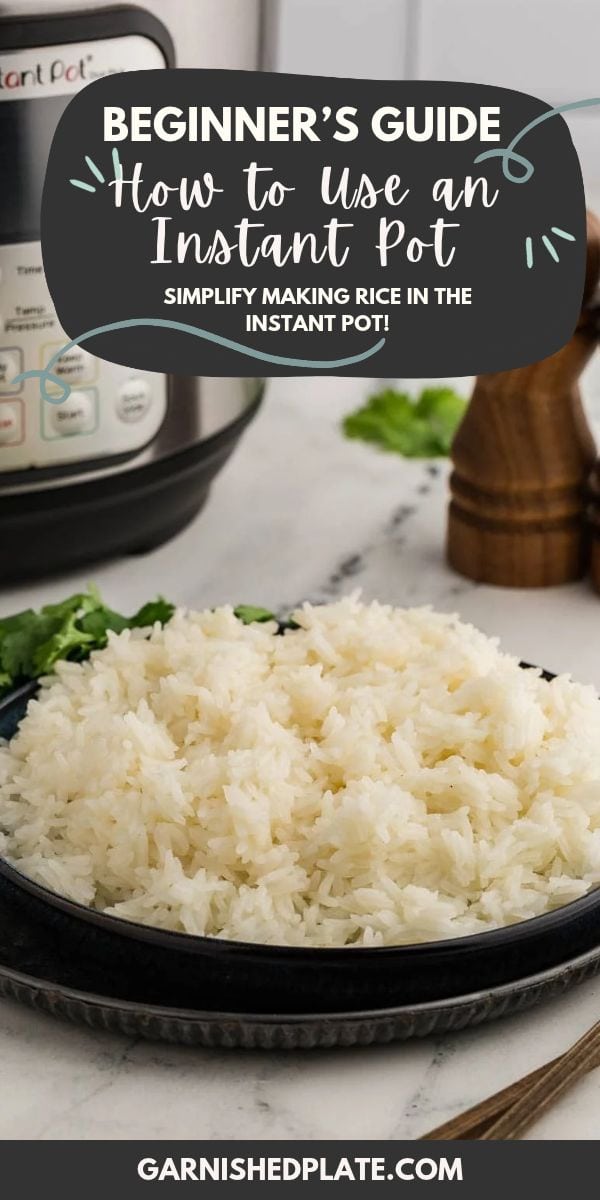
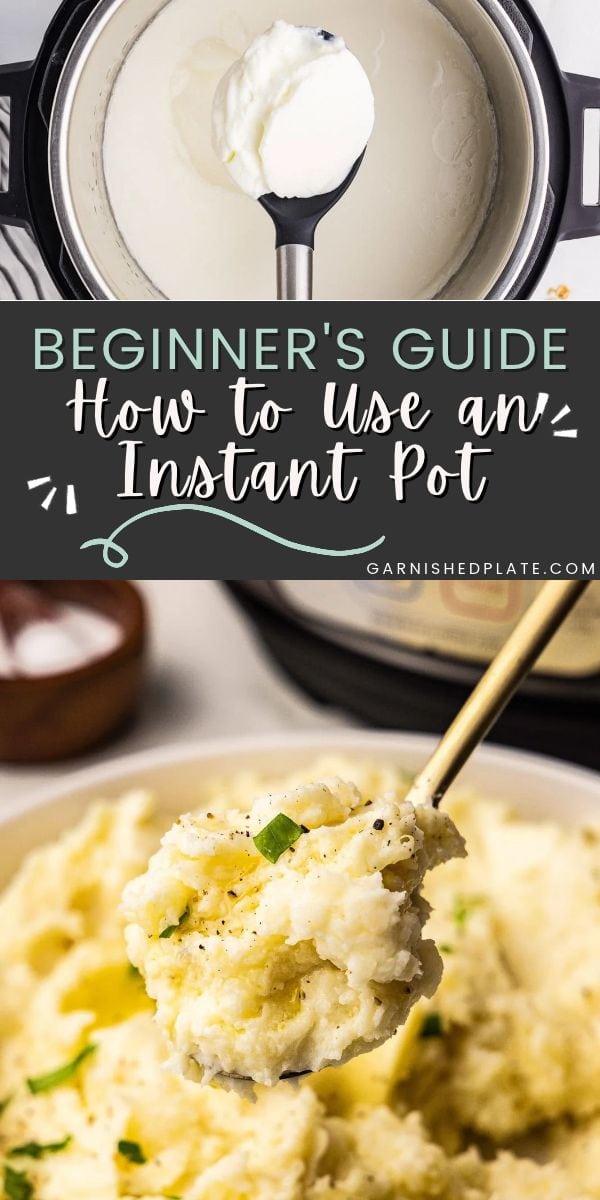
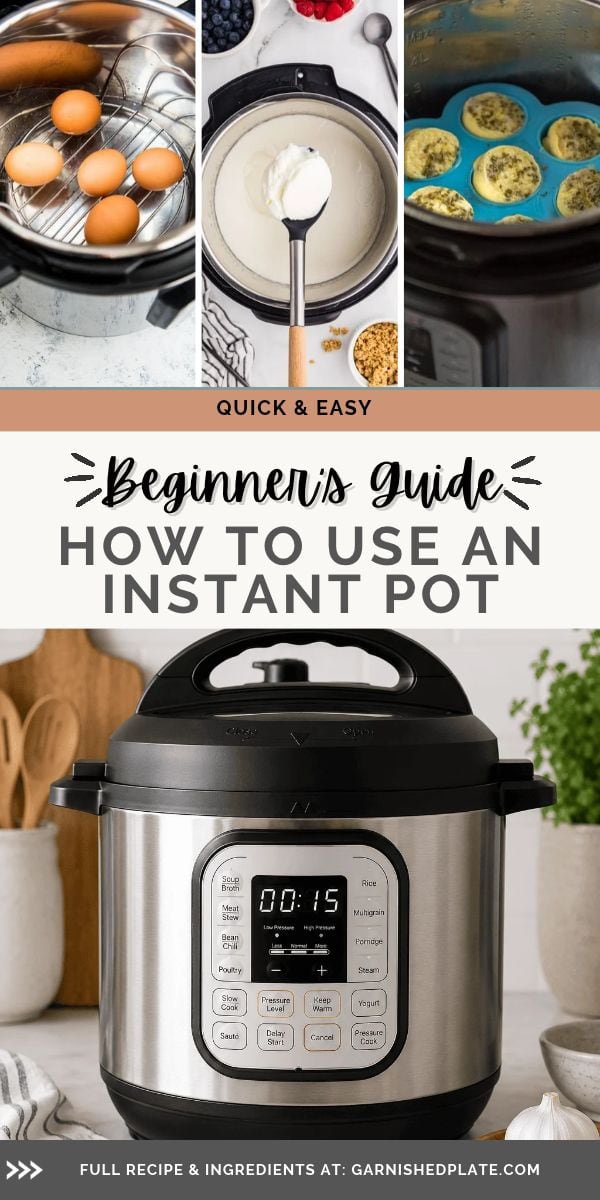
Many people buy an Instant Pot, but let it sit in the box because they’re intimidated by the concept of pressure cooking. I too was cautious when I first got mine, but after learning some Instant Pot basics, it’s now one of the most reliable appliances in my kitchen!
The apprehension around Instant Pots can be overblown, especially compared to older stovetop pressure cookers. Modern electric pressure cookers have numerous built-in safety features and are much more accessible for daily use.
The Instant Pot isn’t meant to fully replace every appliance in your kitchen, but it can be incredibly useful once you understand its strengths.
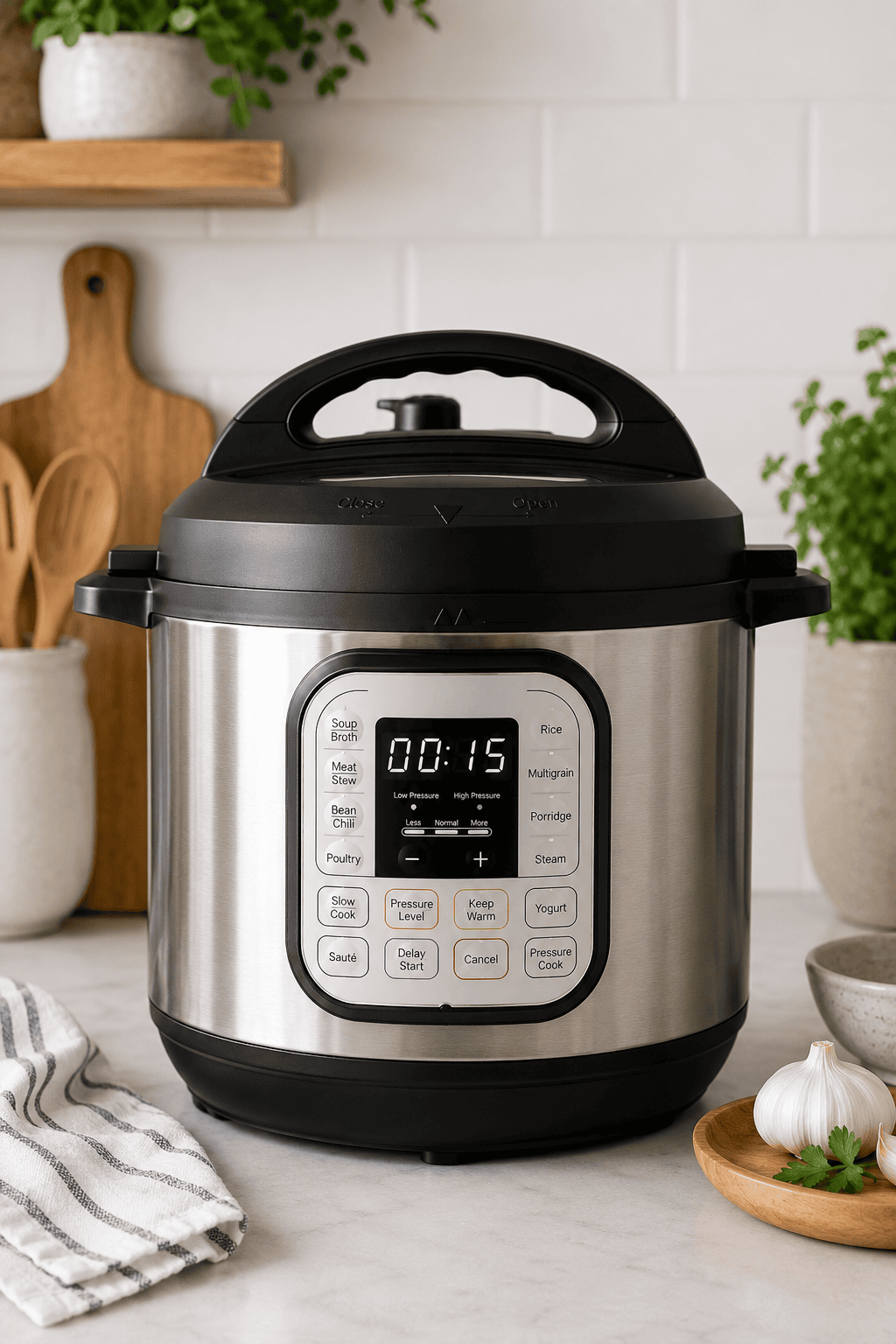
What Is An Instant Pot?
An Instant Pot is an electric pressure cooker, or, depending on the model, a multi-cooker with additional functions like sautéing, slow cooking, and steaming.
A modern Instant Pot functions similarly to a traditional stovetop pressure cooker, but with a few distinctions. While the size is similar, it is not as bulky, nor are there as many pieces to put it in place. A stovetop pressure cooker will cook directly on the stove’s heat, while the Instant Pot relies on electronic, timed settings.
The “pressure” in the Instant Pot is generated by steam created when the electric pot boils the liquid to cook food faster.
Before I began using one over 10 years ago, I originally struggled to see why I needed an Instant Pot when I already loved my slow cooker. (Mainly, was it worth the kitchen space and extra time to learn how to use it?)
Unlike my air fryer, I wasn’t immediately sold on it. My primary cooking method has always been the slow cooker, and it took me time to understand where the Instant Pot fit into my cooking routine.
Over time, I discovered recipes and methods where the Instant Pot was clearly the better tool. It took me a couple of years to publish my first Instant Pot recipe because I spent a long time learning how it worked and figuring out when I preferred it over other options.

How Does An Instant Pot Work?
An Instant Pot operates with steam pressure as the key cooking mechanism and follows this sequence:
- The heat boils the liquid in the pot with the food and creates steam.
- Steam creates pressure in the sealed pot (the seal is very important!).
- The pressure raises the boiling point and speeds cooking.
You might be thinking “do I really want this hazard in my kitchen?”
No fear – the process sounds more intimidating than it actually is! Current Instant Pot models include multiple safety features, making them user-friendly for any kitchen.
Instant Pot Parts And What They Do
To start using your Instant Pot with confidence, it helps to thoroughly understand the different parts and how they function.
Here are the key components:
- Inner pot – The metal insert that holds the food.
- Lid – The heavy top that contains the sealing ring, steam release valve, float valve, and locking features.
- Sealing ring (silicone) – This silicone band fits within the lid to tightly secure it and prevent any steam escape.
- Steam release valve – This valve has two positions: locked and open. It is essential to lock it during cooking, and then you can adjust it to release steam for different recipes based on a natural steam release or a manual steam release.
- Float valve – This small piece is attached to the lid and rises and falls with the level of steam pressure. When it has fully dropped, the steam has released, and it is now safe to open the lid.
- Trivet – Many models come with a metal trivet or basket to place in the inner pot for specific foods that should not cook directly on the bottom of the pot.

Note: Knowing your Instant Pot parts is essential! I once had a friend accidentally pour the ingredients directly into the housing (outer component) because she forgot the inner pot. It happens more often than you’d think, so be careful!

Instant Pot Buttons Explained
Some Instant Pots have a more complex control panel than others, but many times, most of the buttons and presets are unnecessary. It really depends on your recipe as to what you will need to use.
On the screen or LED panel, you’ll usually find buttons for various food settings, high and low pressure, keep warm, delay start, sauté, and pressure cook (the “Start” button).
I rarely use anything except high pressure, and most ingredients will specify if low pressure is needed instead. The sauté feature also comes in handy for many recipes as you melt butter or oil, sear meats, or sauté veggies before cooking the dish.
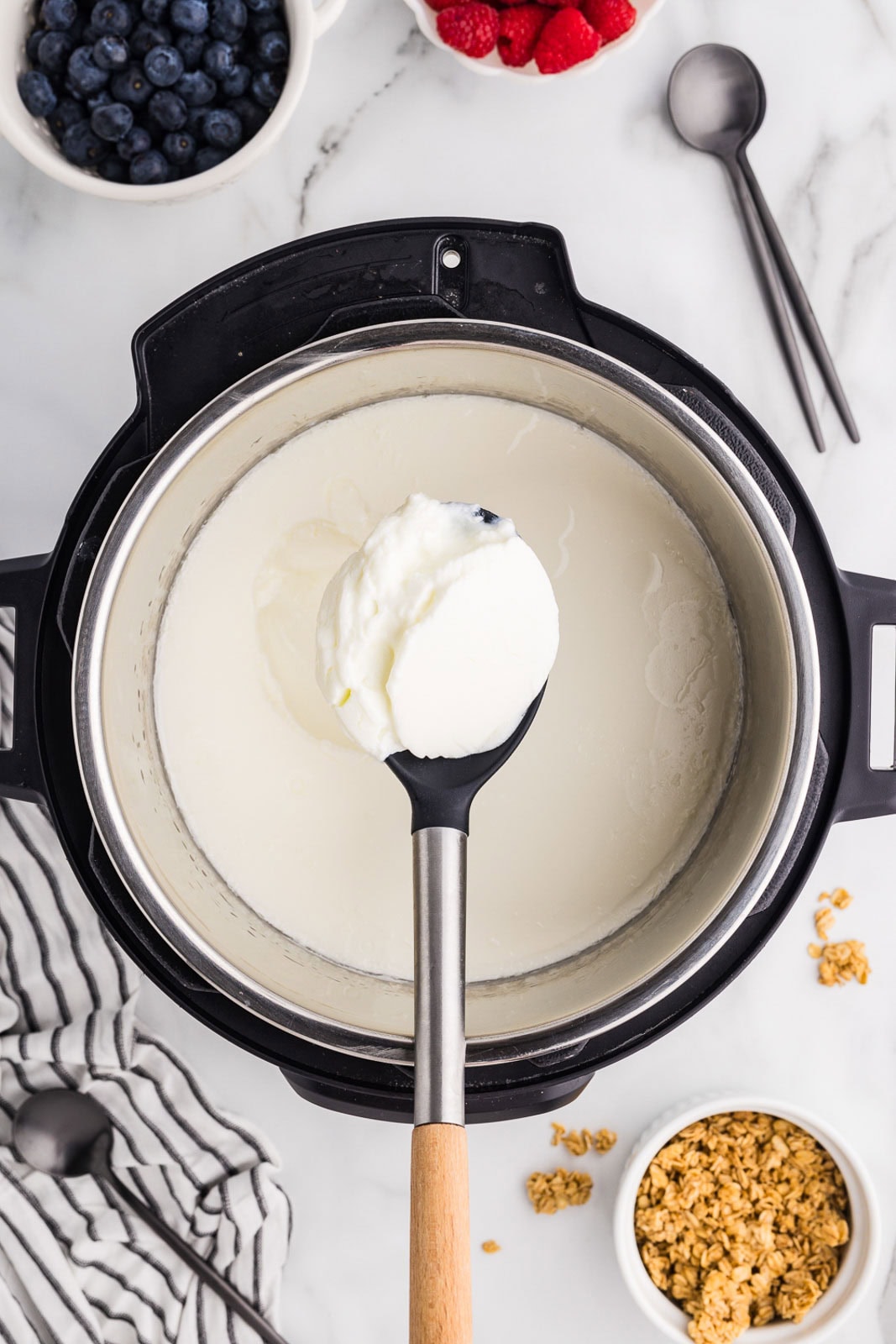
Most of the additional specialty buttons are unnecessary. The only other preset button I’ve used is “yogurt,” but everything else I make works on high pressure.
Instant Pot Safety Tips For Beginners
As with any new appliance, know your safety tips and features before you begin! Here’s what I recommend:
- Read the manual.
This is your best resource to understand your model, and it will often include cooking guides with times and settings for the most common ingredients.
- Complete the water test.
This involves adding 2-3 cups of cold water to the Instant Pot inner pot and testing the features in a short pressure-cooking cycle to ensure your Instant Pot works properly. This is important for both new and used Instant Pots! (Find step-by-step directions for the Instant Pot water test here.)
- Understand the release valve.
The steam release valve must be in the “sealed” position (as indicated on the lid) before cooking, as it allows the pressure to build. Even a small variation can allow too much steam to escape.
Turn the valve to the “venting” position for a manual steam release as directed in your recipe. (I’ve personally forgotten to close the valve and waited forever for the pot to come to pressure.)
- Keep hands away from steam.
This could be the most hazardous element of the Instant Pot if you don’t know what to avoid! Steam will release from the valve, so it is crucial to know whether it is locked in the “sealed” position or venting. Obviously, the steam will be very hot, so avoid placing your hand or arm directly over the valve.
- Make sure the sealing ring is installed correctly.
If the ring is not securely attached to the lid with air bubbles, wrinkles, or loose spots, it will allow steam pressure to escape the Instant Pot.
- Leave room above the pot for steam release.
Since the Instant Pot releases steam from the top valve, it’s important that the pot is not placed under anything that could get damaged by the moisture and pressure. I’ve had steam release directly toward kitchen cabinets because I didn’t position the pot properly.
When in use, avoid placing the Instant Pot underneath overhead cabinets, or near delicate materials on your counters or otherwise in your kitchen.
Natural Release vs. Quick Release
This is one of the most confusing concepts for beginners, but once you understand the difference, you’ll be on your way to seamless pressure cooking!
What Is Natural Release?
In a natural release, the pressure gradually releases on its own from the valve, meaning you don’t need to flip the valve level to release it. Food does continue to cook during this time which is important to remember for more delicate foods that might overcook.
The natural release is a great option for large cuts of meat, soups, stews, and recipes where tenderness matters.
What Is Quick Release?
In a quick release, the pressure is released immediately by opening the valve. This stops the cooking process faster and is useful for vegetables, rice, and other foods that can overcook easily.
Which Pressure Release Should You Use?
This depends on your ingredients and usually a recipe will specify how long – and when – to use each release.
It took me a little while to understand when to use each method, but in general, if cooking vegetables or other delicate foods, I typically release pressure quickly. I like to avoid quick- releasing soups or very full pots because the hot liquid can sputter and spray.

How To Use An Instant Pot Step By Step
Here are the basic steps to cooking your food in the Instant Pot:
- Add ingredients to the inner pot.
- Add enough liquid (check your user guide or recipe directions).
- Seal the lid by turning it to the locked position.
- Set the pressure and cooking time on the control panel.
- Allow time to pressurize. (The more full the pot, the longer it will take to pressurize.)
- Allow time to release pressure, whether by manual or natural release.
Note: The cooking timer does NOT represent the total cooking time. You should also estimate a minimum of 10 minutes on either side (for pressure to build and for pressure to release) in the total recipe preparation time.
Instant Pot Water Test
Even if you have some familiarity with the Instant Pot, I highly recommend running the water test before making your first recipe in any new Pot.
This helps build confidence in assembling and setting up the parts correctly. It also teaches (or reinforces) how pressurizing and releasing pressure works.
How Much Liquid Does An Instant Pot Need?
Here is my rule of thumb for how much liquid to add to an Instant Pot:
- About 1 cup of liquid in a 6-quart pot
- About ½ cup of liquid in a 3-quart pot
It’s important to note that liquid alone isn’t always enough to prevent burning. Foods can still trigger a burn notice (an alert that either beeps or comes across the LED display) if the ingredients stick to the bottom.
To prevent burning, always scrape or deglaze the bottom of the pot when adding liquid and put the liquid in the pot before layering other ingredients.
Instant Pot Cooking Times For Beginners
Cooking Time vs. Total Time
You’ve probably heard that the Instant Pot is so much faster at cooking than other appliances. While it is very efficient, this is one of the biggest misconceptions about the Instant Pot, because people often fail to calculate the time it takes to reach and release pressure.
For example, a recipe with a 10-minute cook time is rarely finished in 10 minutes.
To plan accordingly, calculate your time including:
- Roughly 10-15 minutes to come to pressure
- Plus cook time
- Plus 5-15 minutes of pressure release depending on the recipe
The actual times will vary based on the amount of food and liquid.
Best Foods To Cook In An Instant Pot
Some foods are so simple to make in the Instant Pot compared to other appliances. These are the favorites that I make regularly in the Instant Pot:
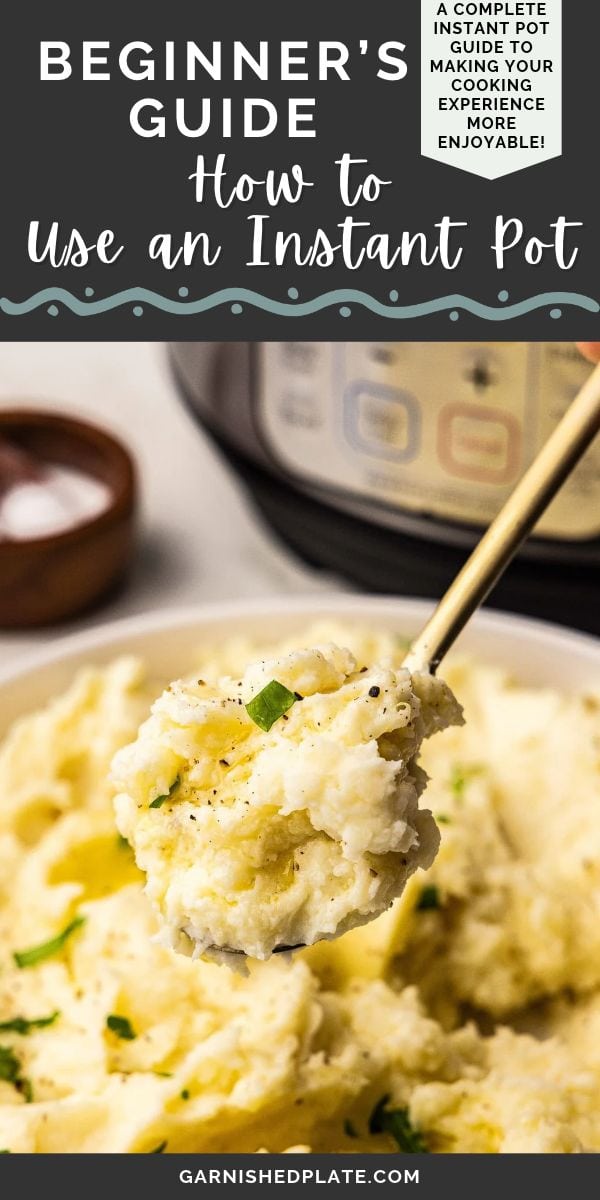
- Mashed potatoes
- Corn on the cob
- Green beans
- Chili
- Spanish rice
- Rice
- Dried beans
- Shredded chicken
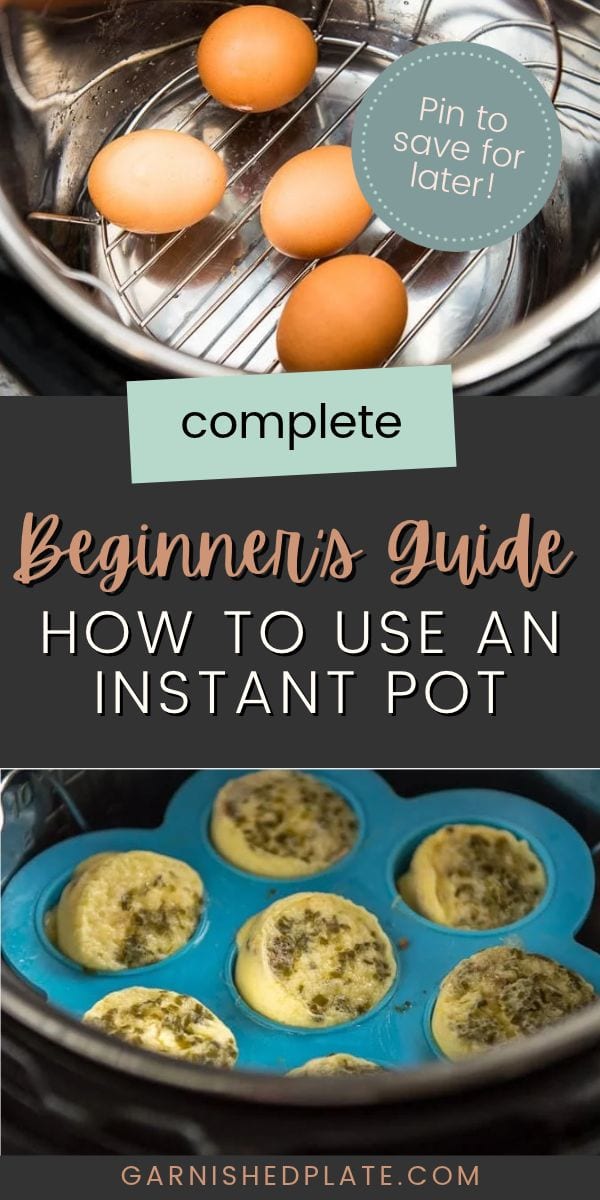
- Hard-boiled eggs
- Beef stew
- Yogurt
I love opting for the Instant Pot for foods that usually take a long time to cook, or that turn out best when simmered in moisture.
Common Instant Pot Mistakes To Avoid
Learn from my mistakes over the years – and plenty of experience! – to avoid these common mistakes. Knowing what to expect and how to troubleshoot is the best way to gain hands-on pressure cooking experience!
- Not using enough liquid – This can cause food to burn or dry out.
- Wrong type of liquid – Adding dairy-based liquids early on can cause separation or not enough moisture to create steam.
- Forgetting to seal the valve – This allows steam to escape, preventing the pot from reaching full pressure.
- Improperly installed sealing ring – This can also allow steam to escape from the lid or prevent pressure from building.
- Not accounting for pressure build and release time – Been there, done that! Don’t plan for a recipe to be completed in only the listed cooking.
- Ignoring burn notices – It’s important here to stop the Instant Pot to resolve the issue – whether stirring the food, scraping the bottom of the pot, etc. – or else the cooking will not continue, and the entire contents can burn.
- Poor steam placement – Avoid positioning the Instant Pot valve where the steam can release in an unsafe direction (toward you, toward cabinets, etc.)
- Forgetting the inner pot – Placing ingredients in the external housing of the Instant Pot can ruin the appliance and will not cook the food correctly.

Frequently Asked Questions
Is an Instant Pot the same as a pressure cooker?
Essentially yes, the Instant Pot is the same as a pressure cooker. However, modern electric pressure cookers automate and simplify the process.
Why won’t my Instant Pot come to pressure?
Some common reasons an Instant Pot may not come to pressure are that the valve is open or in the “venting” position, the lid is not fully sealed, or there is not enough liquid to produce steam.
How long does it take to come to pressure?
The Instant Pot usually takes around 10-15 minutes to come to pressure and begin cooking, depending on the recipe.
Can you open an Instant Pot while cooking?
No, the Instant Pot’s pressure must be released first before the lid will open. Always turn the valve to release the pressure, and check that the float valve has fully dropped before opening the lid
What size Instant Pot should I buy?
Here are my recommendations for choosing the best size for your kitchen:
- 3 quart – Use for side dishes and small households
- 6 quart – Best all-around size for most families
- 8 quart – This model is best for larger recipes or batch-cooking
How To Clean An Instant Pot
To keep your Instant Pot in tip-top shape, develop a simple cleaning routine each time you use it. Follow these tips for cleaning and maintenance:
- Wash the sealing ring regularly by fully removing it from the lid and submerging in hot, soapy water.
- Remove and clean the components in the lid.
- Food odors can build up over time, so allow time to wash parts separately and air dry.
Helpful Instant Pot Recipes For Beginners
The best way to learn Instant Pot basics is to start with simple recipes that allow you to focus on mastering the functions and features. Here are some of my most-recommended beginner-friendly recipes:
- Corn on the Cob – This recipe takes only 2 minutes of cooking time and uses a trivet or steamer basket.
- Best Instant Pot Green Beans – Use the steam pressure technique here for “zero minutes” of cooking time!
- Mashed Potatoes – Master this classic with just 5 ingredients, all made in one pot.
- Instant Pot Beef Chili – Learn how to use the sauté function to brown the meat and prepare everything in one pot.
- Instant Pot Shredded Chicken – Use just 2 ingredients for this easy, meal-prep basic!
- Jasmine Rice – Step away from the stove and learn how to master rice-to-water ratios in the Instant Pot.
- Perfect Hard Boiled Eggs – Learn the “5-5-5 method” for perfectly boiled, easy-to-peel hard-boiled eggs, every time.
These recipes are perfect for beginners because they will help you build confidence while teaching core Instant Pot skills – plus delivering amazing results!

Final Thoughts
The Instant Pot isn’t designed to replace your slow cooker, oven, air fryer, or stovetop, but it’s another tool in the kitchen that can make mealtime simpler.
For me, its biggest value is helping get dinner on the table when I forgot to start the slow cooker, speeding up meal prep, and creating incredibly tender meats, rice dishes, and side dishes.
Once you understand how pressure cooking works, it’s much less intimidating than it first appears. Save this Instant Pot beginner guide when you’re ready to get your first Instant Pot out of the box, or refresh on how to use it anytime you need to!